How Soon Can You See Results From Fotona 4D Laser Facial (TimeWalker) in Encino, CA?
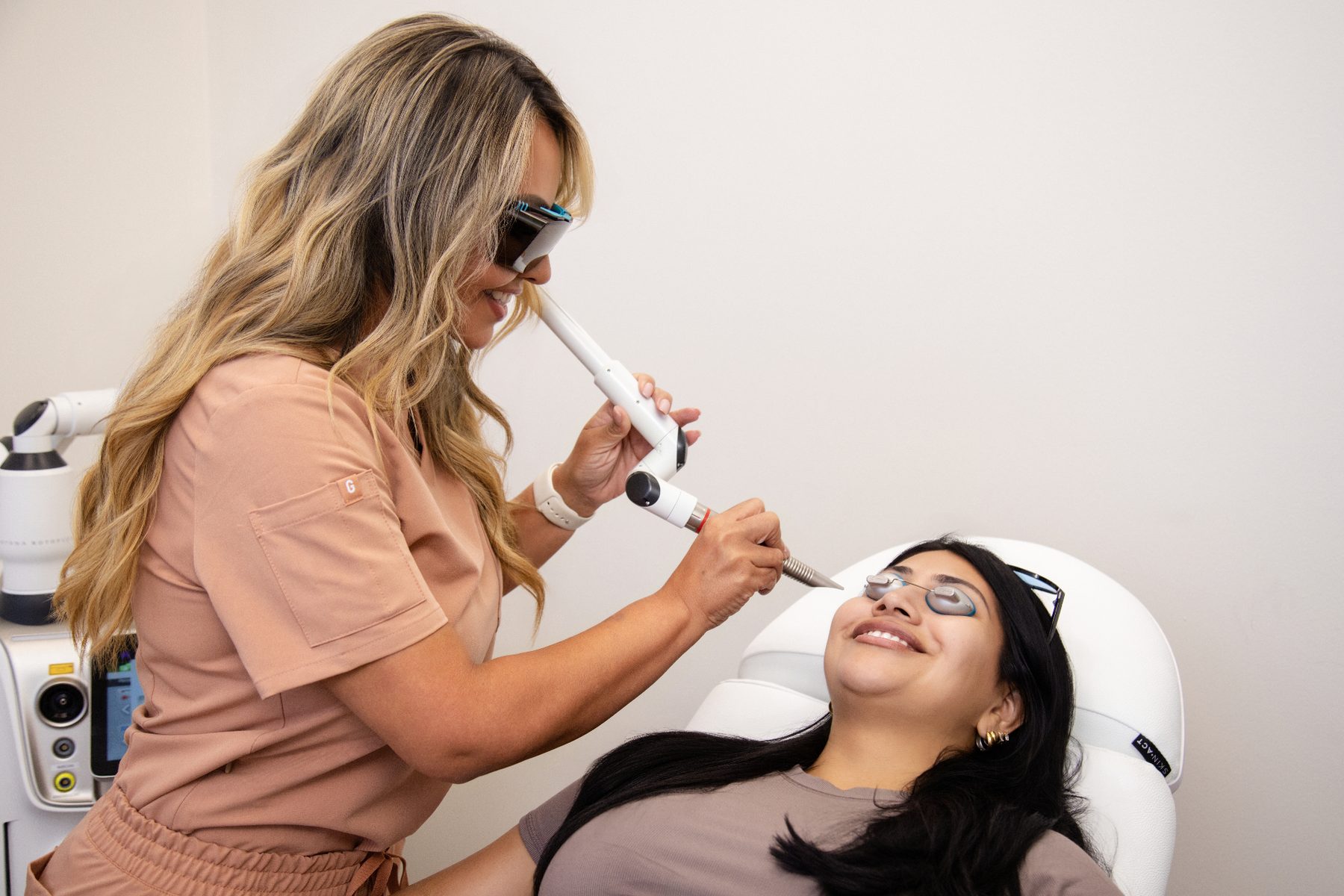
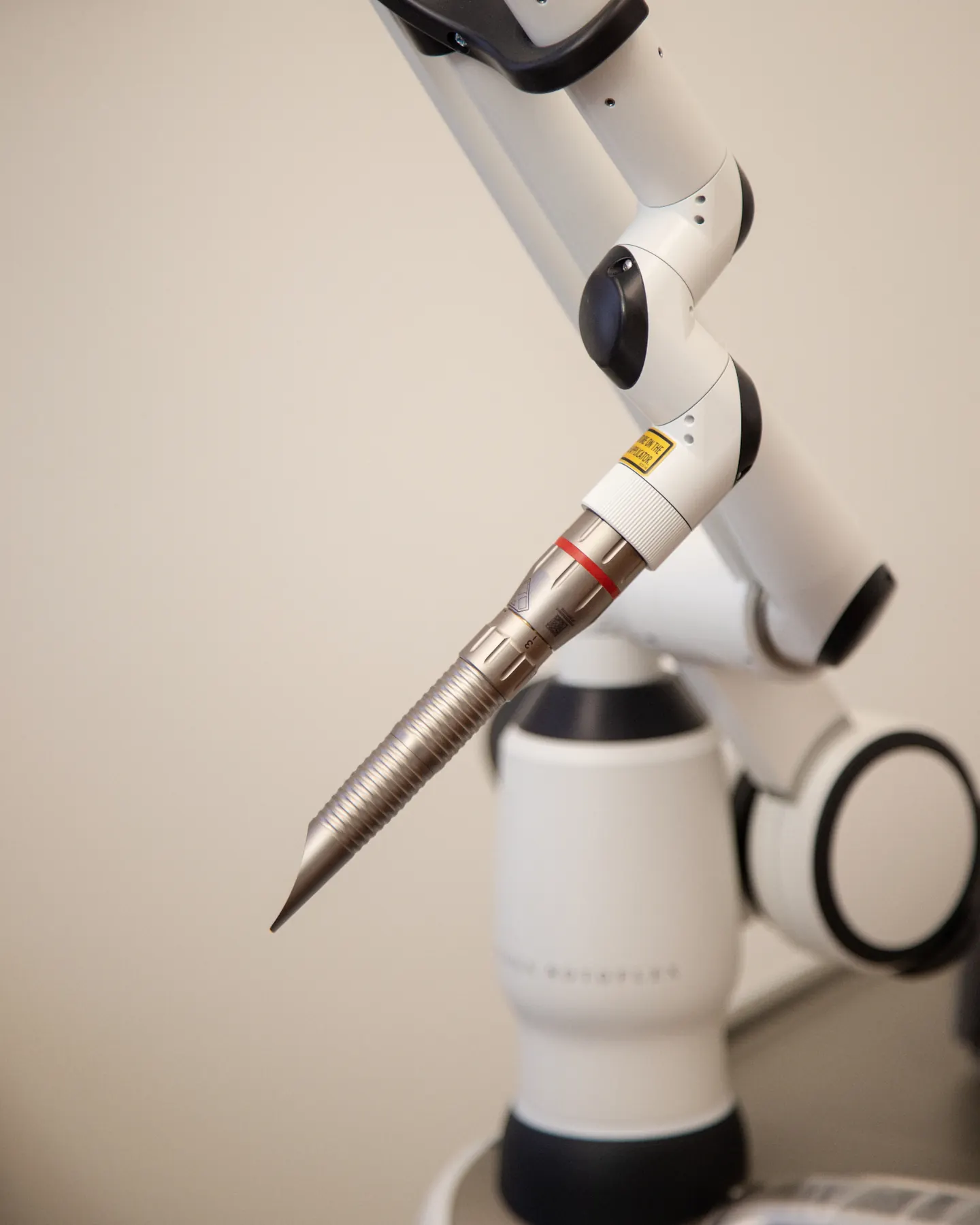
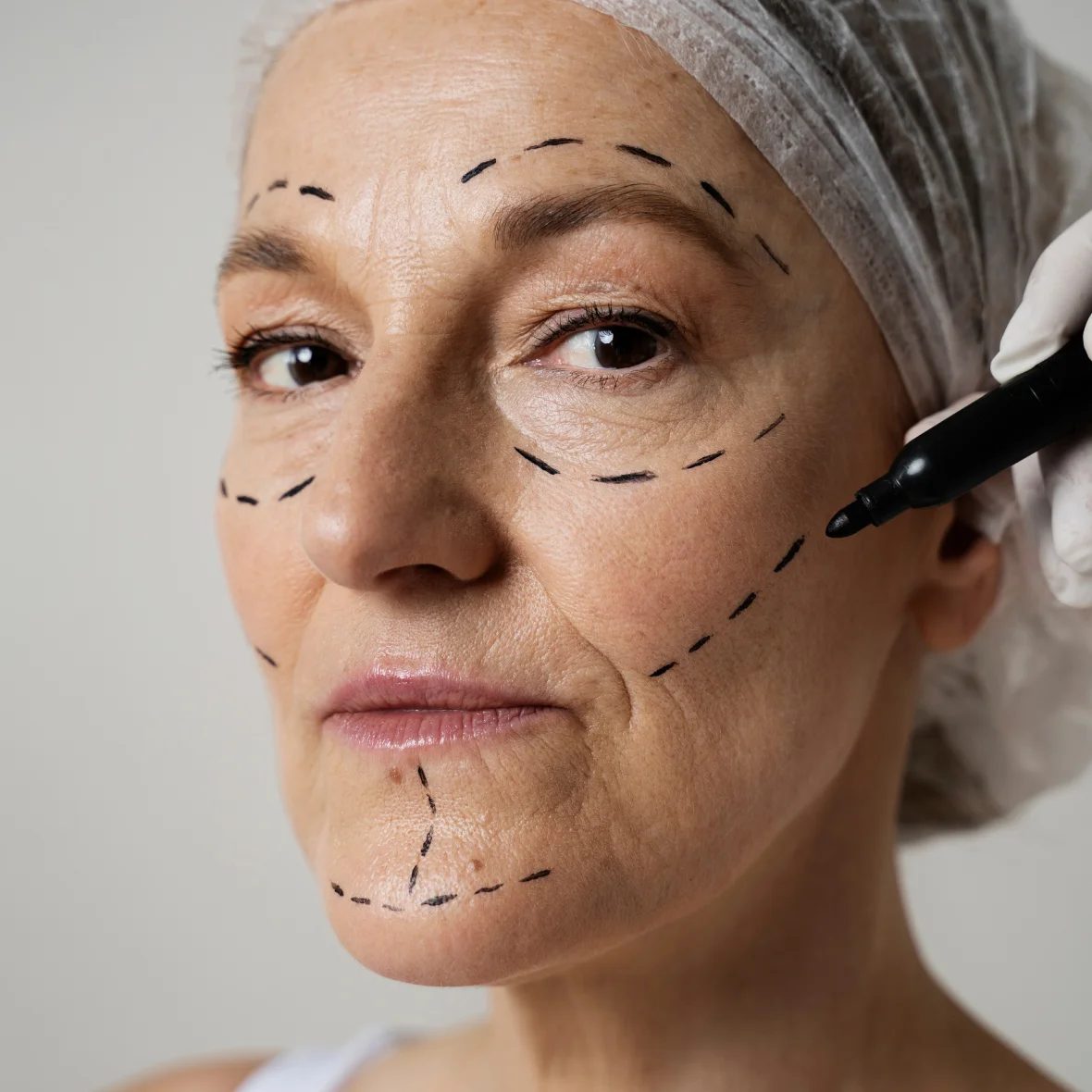
If you are considering a Fotona 4D Laser Facial (TimeWalker) in Encino, CA, the first question is usually not whether the treatment sounds impressive. It is much simpler than that. People want to know when they will actually see a change in the mirror.
That is a fair question, and the honest answer is that results often arrive in stages. Some patients notice a fresher look within days. Others need a few weeks before the improvement becomes obvious. The most meaningful changes, especially those tied to collagen remodeling and skin tightening, tend to build gradually over one to three months. That timeline can feel slow if you are hoping for an overnight transformation, but it is also part of what many people like about this treatment. The changes usually develop in a way that looks natural, not abrupt.
The timing depends on your skin, your age, your goals, the settings used, and whether you are doing a single session or a series. It also depends on what you mean by “results.” Smoother texture is not the same as firmer skin. A healthy glow is not the same as softening deeper lines around the mouth.
Understanding that distinction makes the whole process much easier to judge realistically.
What Fotona 4D actually does, and why the timeline is layered
Fotona 4D is not a one note laser treatment. It is designed to target different layers of tissue, including areas inside the mouth and on the skin surface, to improve tone, texture, and laxity. That matters because each layer responds on its own schedule.
The immediate effects often come from mild tissue contraction, reduced surface dullness, and the subtle plumping that can happen after controlled thermal stimulation. Patients sometimes describe this as looking more rested or seeing that their skin seems tighter in a way they cannot fully explain. It is not dramatic, but it can be visible fairly quickly.
The next phase is slower. Heat delivered to the tissue prompts a wound healing response that encourages collagen remodeling. Collagen does not rebuild in a weekend. It takes time. Skin typically needs several weeks to lay down new collagen and reorganize existing fibers. That is why a patient may leave the office looking a little pink, then see modest improvement within a week, then look noticeably better a month later.
This is one reason the treatment appeals to people who want facial rejuvenation without the recovery of more aggressive procedures. The trade off is that subtle, cumulative improvement asks for patience.
The earliest changes most people notice
In practice, the first visible changes are usually the least dramatic but often the most gratifying. Skin can look brighter within a few days. Makeup may sit better. The face may appear less creased or tired, especially if dehydration and rough texture were part of the problem before treatment.
That early “glow” is common after treatments that stimulate circulation and lightly resurface the skin. It can be especially noticeable in Encino patients who spend a lot of time in the sun, use retinoids inconsistently, or have a baseline level of dryness from heat and air conditioning. Even mild laser stimulation can make dull skin look more alive.
Some people also notice a temporary tightening effect within the first week. I use the word temporary carefully here, because immediate tightening is not always the same thing as long term structural change. Early improvement can be real, but it is often followed by a quieter period before collagen based results become more obvious.
That pattern can confuse patients. They see a nice lift in the first several days, then feel as if nothing more is happening. Then, four to eight weeks later, they realize the jawline looks a bit cleaner or the skin around the mouth does not fold quite as sharply.
A realistic timeline for visible results
The most useful way to think about timing is to break it into phases rather than hunt for a single deadline.
- Within 3 to 7 days, many people notice fresher skin, mild radiance, and a smoother look.
- Around 2 to 4 weeks, texture and tone often continue to improve, and any initial tightness may begin to look more settled and natural.
- Between 4 and 12 weeks, collagen stimulation tends to become more visible, especially in skin firmness and fine line softening.
- After a treatment series, results often look strongest several weeks after the final session rather than immediately after the first one.
That broad window reflects real world variability. A patient in their thirties with early laxity and decent skin quality may see quicker visible improvement than someone in their fifties with deeper etched lines, sun damage, and more volume loss. The second patient can still do very well, but the change may unfold more slowly and may need combination treatment for the best outcome.
Why one person sees results fast and another does not
Two patients can get the same branded treatment and leave with very different timelines. That is not unusual. Skin biology is personal.
Age is part of it, but not the whole story. A younger patient does not automatically get better results. Skin thickness, collagen reserves, lifestyle, hormonal changes, smoking history, and sun exposure all influence how quickly tissue responds. Someone who is healthy, consistent with skincare, and protected from sun may heal and remodel faster than someone younger who is chronically inflamed, sleep deprived, or frequently outdoors without protection.
The starting concern matters too. Fine textural roughness often improves faster than significant skin laxity. Perioral lines, especially those deeper vertical lines around the mouth, can be stubborn. They usually soften gradually and may require repeated treatments. If a patient has volume loss in the cheeks or temples, no laser can replace what filler or biostimulatory treatments address. In those cases, laser improves the skin envelope, but it does not restore structure on its own.
Technique also matters more than marketing suggests. The way the provider selects settings, sequences the treatment, and evaluates your skin determines a great deal about both comfort and outcome. A thoughtful provider will tell you whether your main issue is texture, laxity, pigment, or volume, because those are not interchangeable problems.
The role of a treatment series
One session can produce a visible refresh. That is true. But when patients ask for meaningful tightening or more durable rejuvenation, they are often better served by a series.
This is especially relevant if you are seeking Fotona 4D Laser Facial (TimeWalker) Encino, CA treatments for an event and trying to time your appointment perfectly. A single session a week Fotona 4D Laser Facial (TimeWalker) Encino, CA or two before an event may give you glow and polish. A longer plan, started months earlier, gives your skin time to build deeper changes.
Most experienced providers frame this treatment as cumulative. Think of it less like a one time magic trick and more like training tissue to behave younger. Repeated collagen stimulation generally outperforms a single isolated treatment.
I have seen patients get discouraged after session one because they expected a facelift effect. Then they come back after session two or three and say friends are asking whether they changed their skincare, lost weight, or started sleeping more. That kind of feedback is common with treatments that improve the quality of the skin without creating an obviously “done” look.
What recovery looks like, and how it affects the timeline
Downtime is usually modest, but “minimal downtime” does not mean zero visible recovery for everyone. Most patients have some redness, warmth, or mild swelling for a short period. A few feel a sandpapery texture or dryness in the following days, depending on the intensity of the session and the condition of the skin beforehand.
That short recovery phase can temporarily disguise the earliest results. If your face is a little puffy or flushed, you may not be the best judge of subtle tightening in the first 24 to 48 hours. Once the skin settles, the healthier surface quality becomes easier to appreciate.
In sunny climates like Southern California, this point deserves more attention than it usually gets. Freshly treated skin and casual sun exposure do not mix well. If you spend the day driving around Encino with full UV streaming through the windshield, or take a weekend hike without reapplying sunscreen, you are not doing your investment any favors. Post treatment care influences not just healing but the visibility of results.
The areas that tend to respond first
Not all parts of the face reveal improvement at the same speed. The cheeks often show textural improvement relatively early because smoothness and reflectivity change how light hits the skin. The area around the mouth can tighten, but fine lines there often need more time. Jawline definition can improve gradually, though heavy lower face fullness may limit how much tightening you can see from laser alone.
The under eye area is another place where expectations need careful handling. Some patients notice that the surrounding skin looks firmer or less crepey over time, but lasers are not a universal answer for under eye hollows, puffiness from fat pads, or significant laxity. When a provider is candid about that, it is a good sign.
The lips are worth mentioning too, because one component of the treatment is often discussed in terms of internal tightening and support. Some patients report a subtle improvement in lip contour or perioral smoothness. The key word is subtle. This is refinement, not replacement for a lip augmentation procedure.
What “good results” actually look like
A lot of disappointment in aesthetics comes from mismatched definitions. Patients sometimes picture dramatic before and after images when the treatment is really designed to create progressive, believable rejuvenation.
Good results from Fotona 4D often look like skin that reflects light more evenly, makeup that applies with less texture, softer fine lines, a slightly firmer lower face, and a general rested quality. People may not say, “You had laser done.” They may ask if you changed your routine, got back from vacation, or started doing something different.
That can be a strength. Many people in Encino want exactly that. They want to look maintained, not altered.
But if your goal is to erase deep folds, lift heavy jowls, or replace significant facial volume loss, this treatment alone may feel underpowered. A skilled consultation should sort that out before you commit.
Timing treatment around an event
This is one of the most practical questions, and it deserves a practical answer. If you have a wedding, reunion, photo session, or work event, when should you schedule a Fotona 4D Laser Facial (TimeWalker) in Encino, CA?
If your main goal is glow and refinement, many patients like to leave a cushion of at least one to two weeks so any redness or dryness resolves and the skin has time to look settled. If your goal includes tightening and collagen related improvement, you will usually be happier starting earlier, often several weeks to a few months ahead, especially if more than one session is recommended.
The biggest mistake is booking too late while expecting a full result. The second biggest is booking too close to the event without allowing for the possibility that your skin may react more visibly than average.
Experienced providers often suggest a conservative approach for first time patients. You do not want your first laser experience to happen right before high stakes photos.
How to support results after treatment
Aftercare is not glamorous, but it influences how quickly your skin looks good and how well it keeps improving. The basics are straightforward.
- Use a gentle cleanser and a bland moisturizer until the skin feels fully calm.
- Stay diligent with broad spectrum sun protection, especially in the first several weeks.
- Pause harsh exfoliants or strong actives unless your provider tells you otherwise.
- Avoid excessive heat, vigorous exercise, or anything that worsens redness for the first day or two if advised.
- Follow the treatment plan, because skipping recommended sessions often leads people to underestimate what the procedure can do.
These steps are simple, but they matter. When patients tell me a laser “did nothing,” I often find out they resumed active skincare too soon, got more sun than they realized, or expected a single session to behave like a surgical lift.
Who tends to be happiest with this treatment
The happiest patients are usually the ones who want improvement rather than reinvention. They tend to understand that skin aging is multifactorial and that no laser is going to correct every concern in one sitting.
Good candidates often include patients with early to moderate textural change, mild laxity, fine lines around the mouth, dullness, or a general sense that the face has lost some snap. It can also appeal to patients who are not ready for more invasive procedures and want a treatment with a relatively manageable recovery.
Patients with severe laxity, pronounced sagging, or heavy skin may still benefit, but expectations need calibration. The treatment can improve the skin quality over those structures, yet it may not create the level of lift they have in mind. In those situations, combining therapies or considering other options may make more sense.
Why provider selection matters in Encino
In a place like Encino, aesthetic treatments are widely available, which is both convenient and a little misleading. Availability is not the same as expertise. Devices matter, but Fotona 4D Laser Facial (TimeWalker) Encino, CA evaluation matters more.
A good provider does not just sell the technology. They assess whether your skin concerns match what the treatment can realistically deliver. They talk through timing, skin prep, aftercare, prior procedures, melasma history, active acne, and how much downtime you can tolerate. They also consider your baseline pigmentation and healing pattern when planning settings.
That level of judgment often separates a decent result from a strong one. It also protects you from chasing a treatment because the name is popular rather than because it suits your face.
If you are not seeing results as quickly as expected
Sometimes the treatment is working even when you do not appreciate it right away. The face is familiar territory, and subtle changes are hard to judge in the mirror. Lighting, hydration, swelling, and stress all affect perception.
Photos help. Not heavily filtered selfies, but consistent images in the same light, with the same angle, taken before treatment and then again at two weeks, six weeks, and twelve weeks. That is when many patients notice that the corners of the mouth sit differently, the skin by the cheeks looks smoother, or the lower face appears less tired.
If you still feel underwhelmed after a fair amount of time, the issue may not be that the treatment failed. It may be that your main concern lies in a category the laser only partially addresses. Volume loss, muscle activity, pigment, redness, and skin laxity all age the face differently. Matching the tool to the problem is where good aesthetic medicine starts.
The honest answer to “how soon?”
Most patients who receive a Fotona 4D Laser Facial (TimeWalker) in Encino, CA can expect to see some early improvement within days to a couple of weeks, particularly in brightness and texture. More significant changes in firmness and refinement usually show up over four to twelve weeks, especially when collagen remodeling has time to unfold. If you are doing a series, the best results often reveal themselves after the final session, not after the first appointment.
That may sound less dramatic than the promises people sometimes hear online, but it is more useful because it is realistic. Good laser work often improves the face quietly. The payoff is that you still look like yourself, just better rested, smoother, and a little tighter in all the places that matter. For many patients, that is exactly the point.
OMNIA Wellness Center
16430 Ventura Blvd Ste 207, Encino, CA 91436
Phone: +1 818-386-8511
FAQ About Fotona 4D Laser Facial (TimeWalker) Encino, CA
What is a Fotona laser good for?
Fotona lasers support several different aesthetic protocols. The Fotona 4D facial uses two wavelengths and four treatment modes to address concerns such as fine lines, skin texture, and mild laxity. OMNIA Wellness Center offers the TimeWalker facial with an individual consultation. Suitability and likely improvement depend on the person's skin and goals; results are not guaranteed, and this treatment does not reproduce a surgical facelift.
How much does a Fotona laser treatment cost?
The cost depends on the treatment protocol, areas treated, number of sessions, and provider's assessment. Ask OMNIA Wellness Center for a current written quote that explains what is included, whether follow-up is included, and any proposed package terms. An individualized estimate is more useful than assuming that one advertised price applies to every facial treatment.
How much downtime is there after a Fotona laser procedure?
Recovery varies with the specific protocol and intensity. Fotona describes its 4D facial as having little to no downtime, but temporary redness or sensitivity can occur, and a stronger surface treatment can require more recovery. Ask the treating clinician what to expect from the planned settings, how to care for the skin afterward, and when to contact the clinic with concerns.